
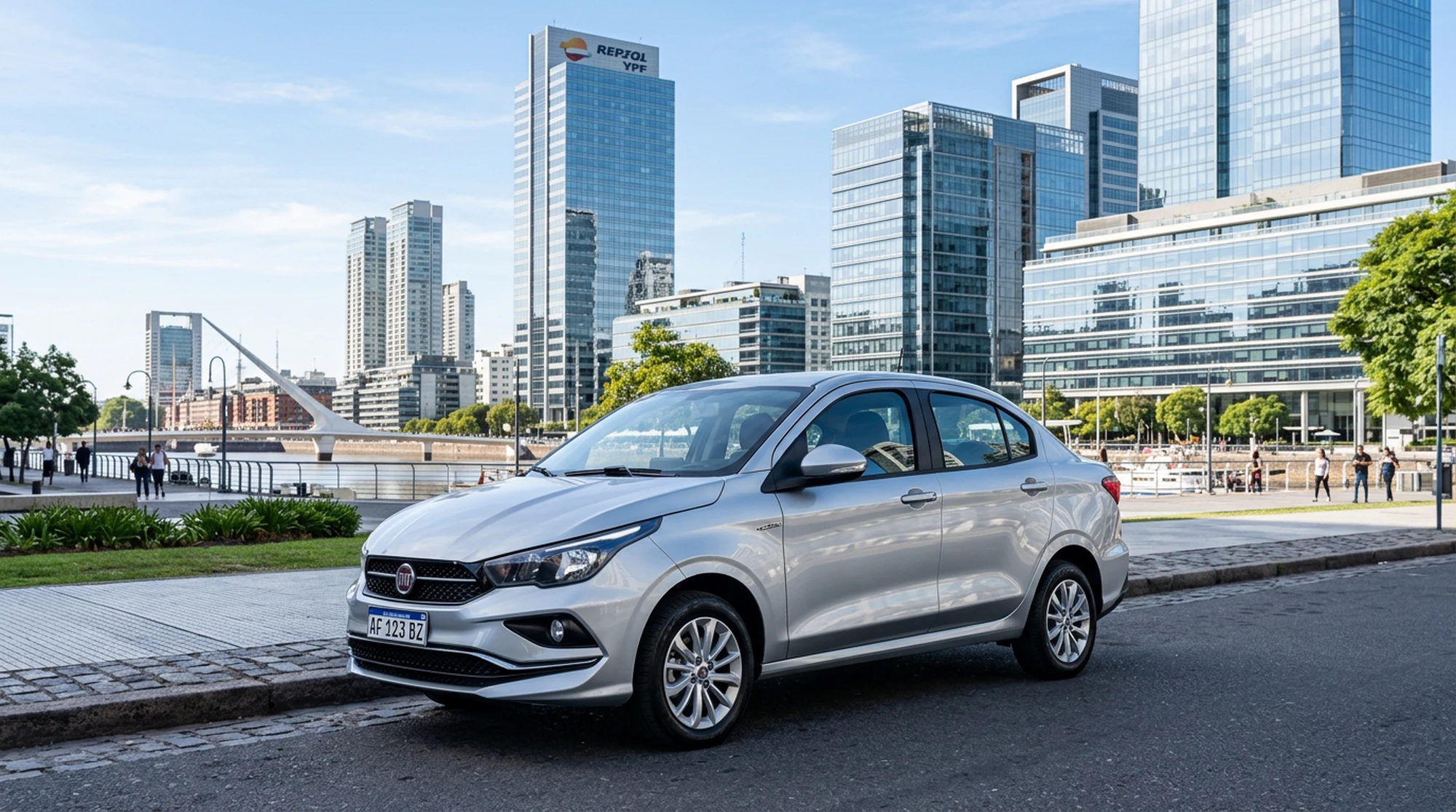
Downtown Buenos Aires has a logic of its own. Streets are narrow, many run one way and traffic follows its own timetable. First time visitors often circle extra blocks because they did not anticipate a turn or did not know where to leave the car. A little planning makes the drive predictable.
The key is not memorising every street. It is choosing the right starting point, checking the route before leaving and accepting that downtown traffic moves slowly. This article sets out the points that cause the most trouble for drivers in the area.
Narrow streets and one way traffic
Downtown driving rewards anticipation. If the GPS shows a right turn and the street runs one way in the opposite direction, there is no room to correct on the move. Look at the whole route before starting, not just the first instruction.
Blocks are short and junctions come quickly. That means slowing down and looking twice before moving. A car stopped in a double line can block the crossing and change everyone's plan.
If you take a wrong turn, keep going and loop around at the next block. Braking suddenly or reversing on a one way street is more dangerous than adding three blocks.
The avenues around downtown help you get your bearings. Coming from the north or the west, it is better to enter on an avenue and leave the car in a nearby car park than to dive into side streets without a reference. That choice saves loops and arguments with the GPS.
Times and pace
Downtown has clear peaks: office start, midday and the evening exit. In those windows, traffic and the search for parking get harder. If the appointment allows it, drive outside those hours.
For a meeting, add margin. Estimating the drive on a quiet day is not enough. One block can take ten minutes if there is roadwork or a delivery truck.
Rain changes everything. On wet asphalt, braking distances are longer and junctions fill with people under umbrellas. If it is raining, add even more margin and avoid rushed manoeuvres.
Parking
Car parks are the tidiest option. Before entering, check the maximum height, the opening hours and how to pay. If the car is large, confirm that the ramp and the spaces are comfortable.
Leaving the car in a loading zone or a bus lane saves minutes and can cost a fine. Read the signs on the block and respect the restrictions, even when the space looks free.
If you only need a short errand, consider an hourly car park or leaving the car further away and walking. Sometimes the walk is faster than circling.
Keep the car park ticket and note the street name. In an area of similar blocks, it is easy to leave by the wrong door and spend fifteen minutes looking for the car.
Navigation and pedestrians
Set the destination before leaving and use the GPS voice. Looking at a phone while moving on a narrow street is a bad idea. If you need to check the map, park or stop somewhere permitted.
Downtown has pedestrians everywhere: narrow pavements, people crossing between cars and delivery riders. Those on foot have priority. Slowing at corners and checking mirrors before turning avoids scares.
Bicycles and scooters move between cars and buses. Before opening a door, check the mirror. It is a simple habit that prevents the most common incident downtown.
Pickup and return at the branch
The Microcentro branch is at 25 de Mayo 277. The pickup time is arranged over WhatsApp when you book, so there is no need to guess when to arrive. The requirements are the usual ones: age 21, valid licence, national ID card or passport, and a credit card for the deposit.
The minimum rental period is 72 hours. On return, the car must have the same fuel level and be clean, with a one hour tolerance. To book, complete the form or write to us. The Microcentro rental branch handles pickups downtown.